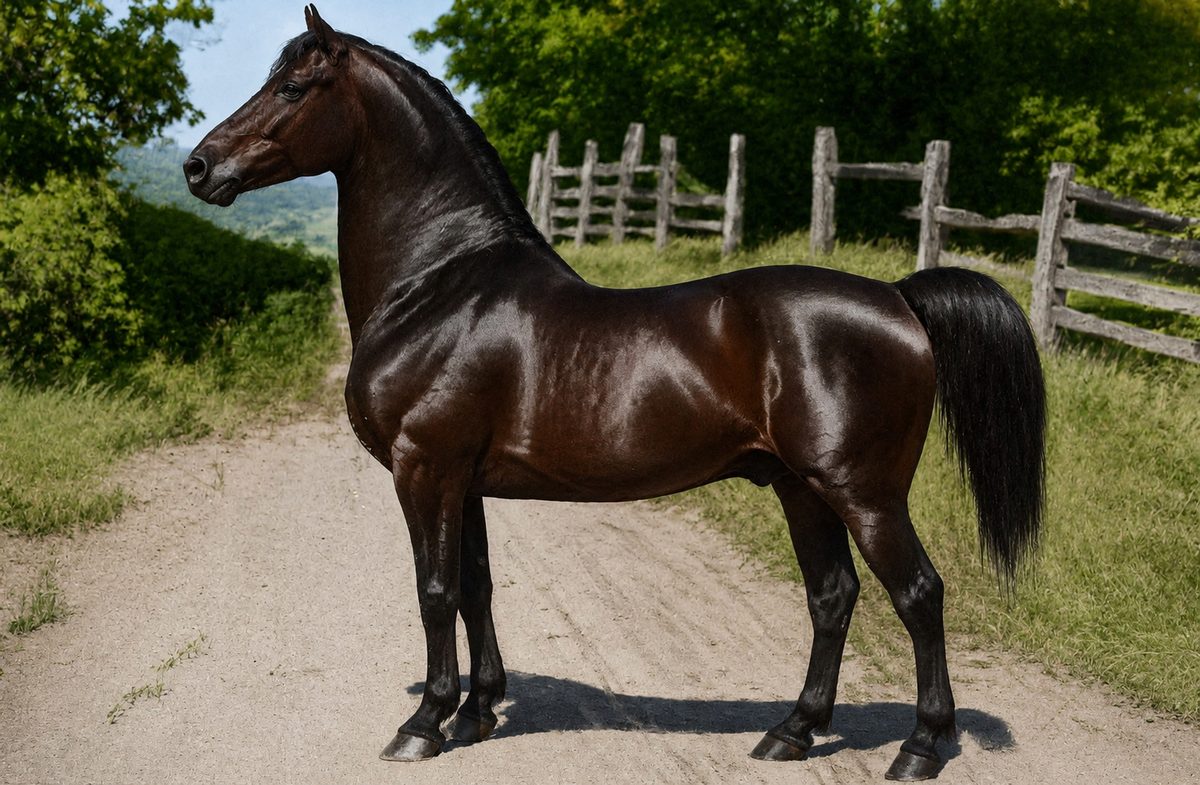
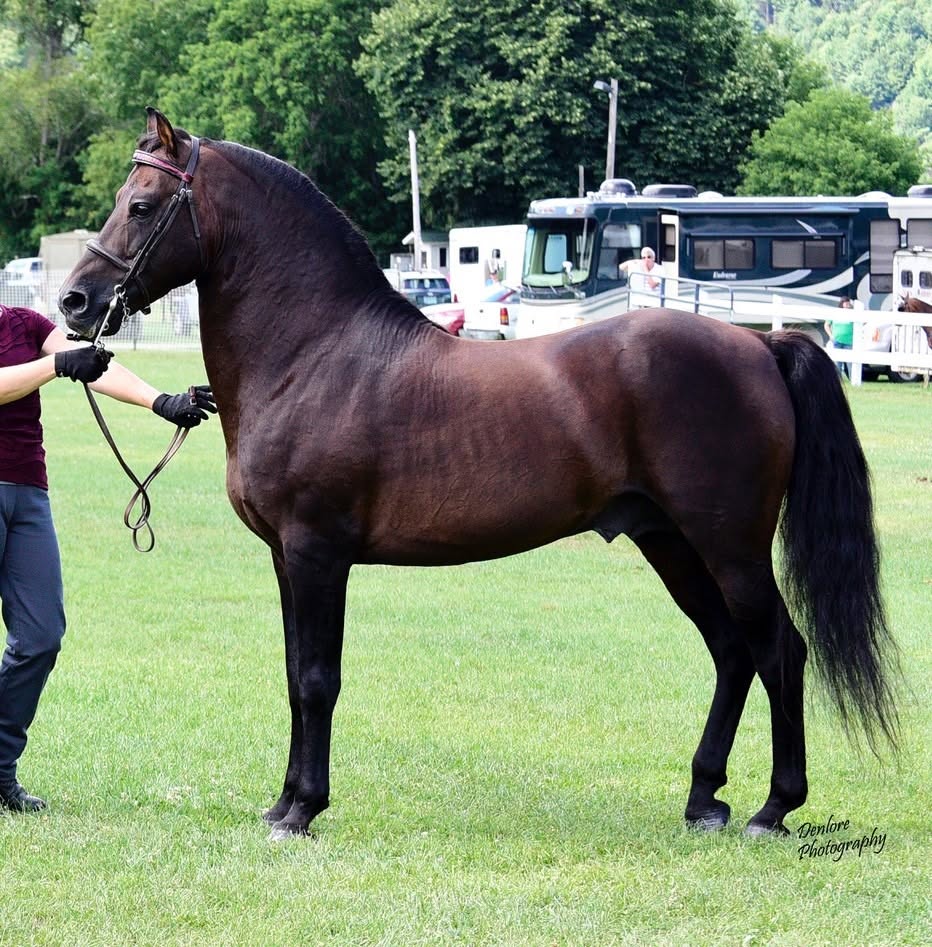
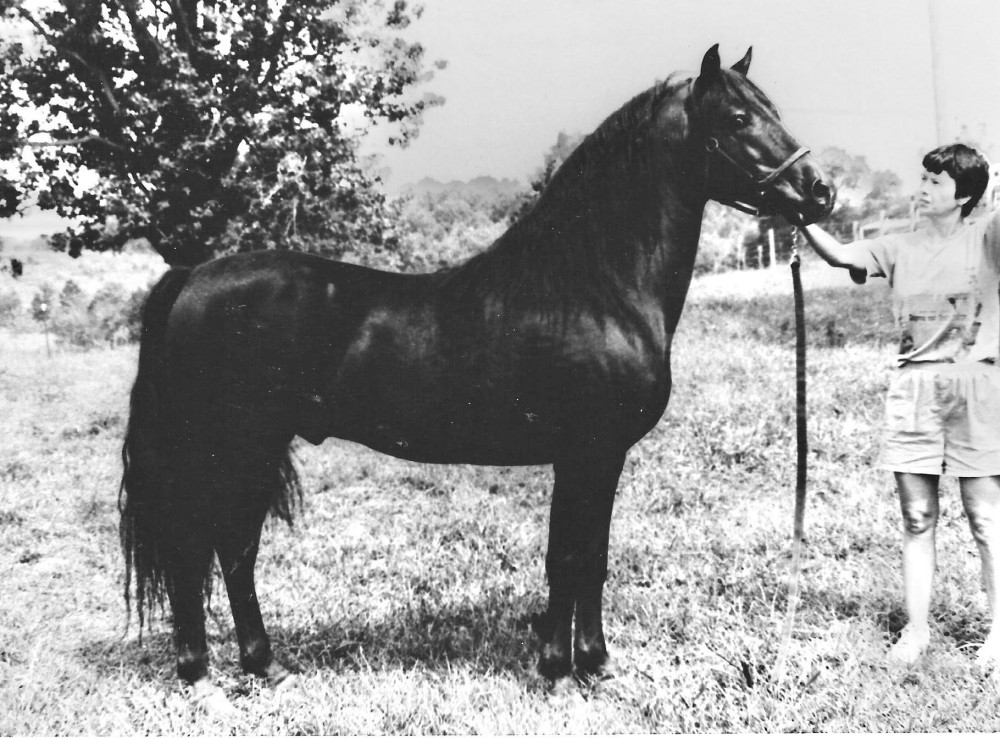
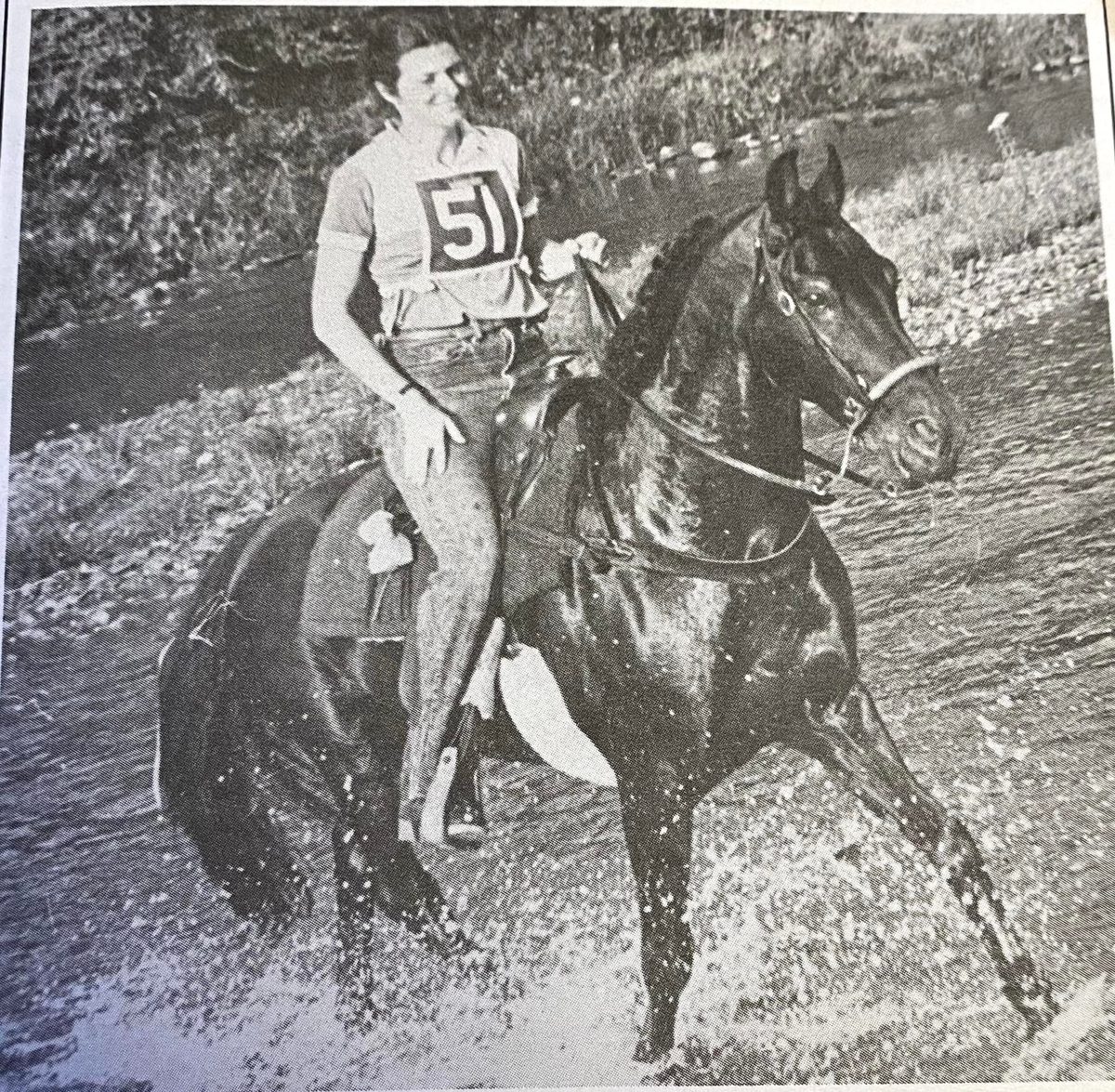
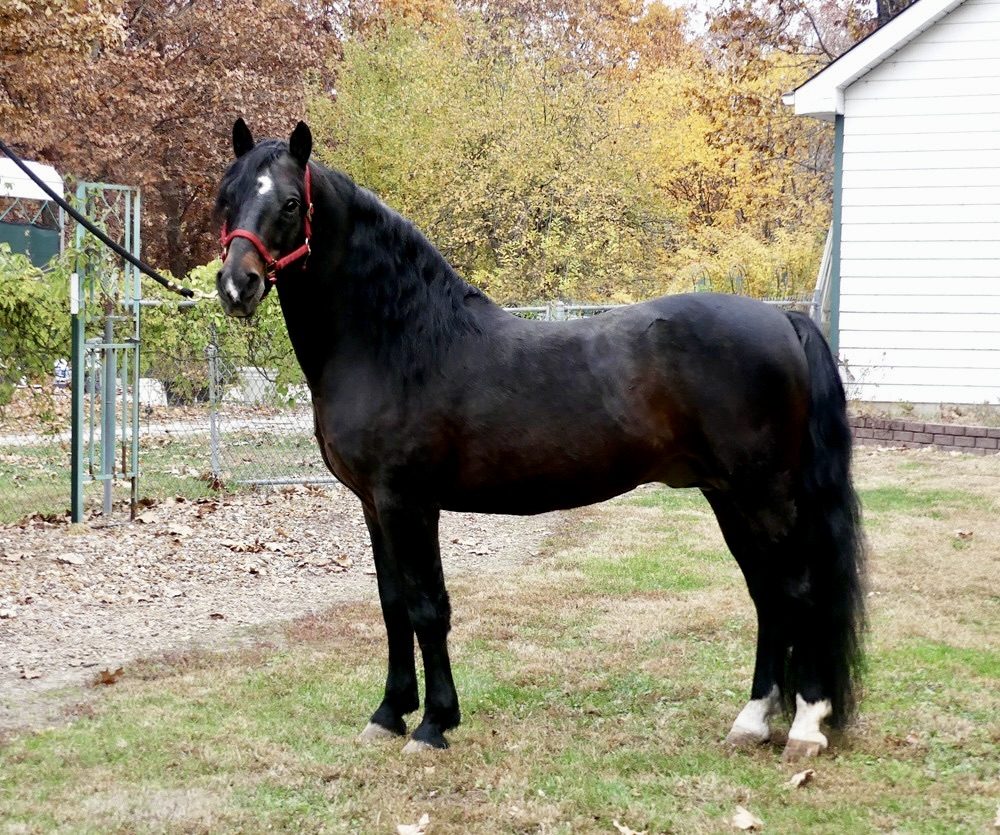
The original Morgan horse still exists.
He is called the Lippitt — the one Morgan family bred continuously to the horse Justin Morgan was, not the horse fashion made of him. Fewer than 2,000 are alive. This registry keeps their book.
The living Lippitt population is estimated below two thousand, with far fewer breedable mares. The family is listed as a critically endangered preservation breed.
Equus Survival Trust · TLMHR recordsEvery Lippitt traces every line of its pedigree to eight stallions and seventeen mares, each selected for the closest possible cross to the cornerstone sire, Peters’ Ethan Allen 2d 406.
The foundation registerThe Lippitt is the only strain within the Morgan breed set apart by its own DNA definition. A genetics laboratory can tell a Lippitt from every other Morgan.
Texas A&M Animal Genetics LaboratoryTwo centuries apart. The same horse.
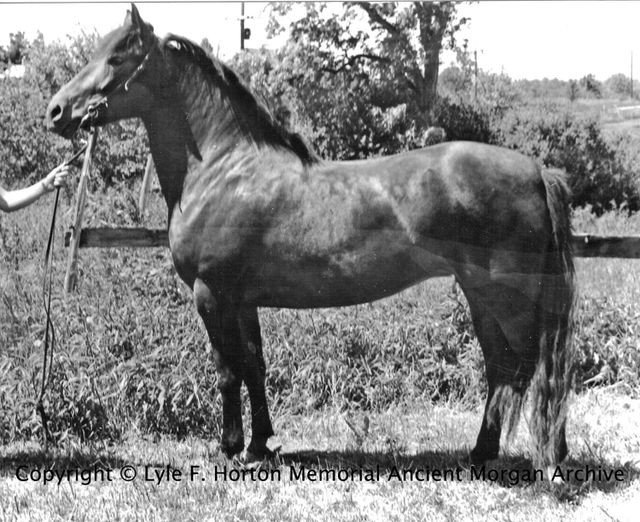
Justin Morgan stamped his foals so faithfully that his contemporaries called him the creator of his own race. Most of the breed has since been re-imagined — taller, longer, higher-stepping, shaped to the show ring of each passing era. The Lippitt was never re-imagined. Bred within a closed circle of old Vermont blood, he still stands close to the ground, still carries the crested neck set on top of the shoulder rather than in front of it, the short back, the round quarter, and the tireless, cheerful engine that made the Morgan famous from Montreal to Boston.
Put a good Lippitt in front of a judge and the past tense disappears:
“The horse I have chosen best represents Justin Morgan in his day. I don’t think I’ve ever seen a group of Morgans so closely resembling one another and still have the traits we love in the Morgan horse.”
Art Perry, judging the Standard class · Lippitt Country Show, 2004Why horsemen cross the country for one.
Animated and docile — at once.
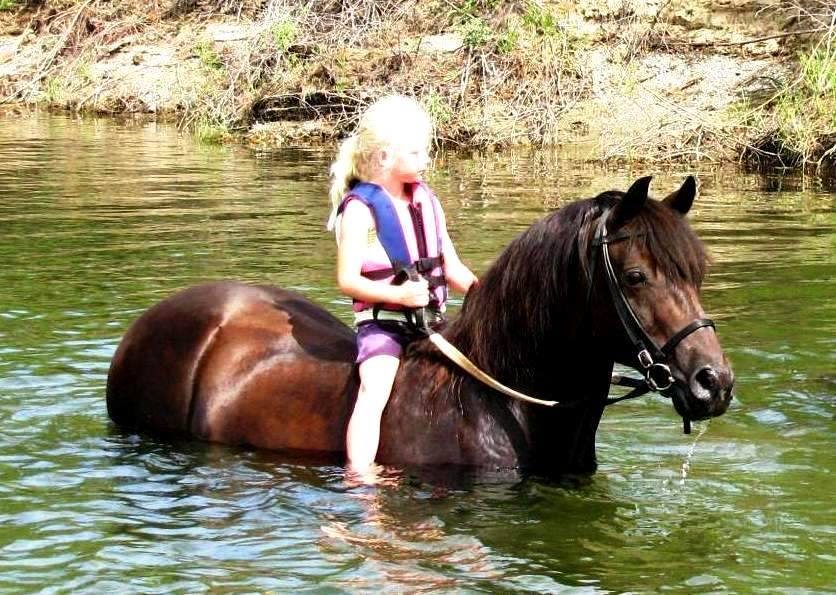
The old writers called it nerve force: endless willing energy under complete control. Justin Morgan showed all the fire imaginable at military review, then carried a lady to a dance with perfect manners. The Lippitt keeps the paradox intact — a stallion with presence to stop a crowd and sense enough to babysit. Ask the families who trail-ride theirs.
Short-backed, deep, and durable.
Around 14.2 hands and a thousand pounds: a compact, close-coupled horse with a deep barrel, broad loin, and short, flat, dense cannon bone. It is the conformation of soundness — a horse built to carry weight all day, stay sane doing it, and very often go without shoes.
One horse for everything.
Lippitts today earn titles in reining and carriage driving, compete in dressage, hunt seat, and competitive trail, pack kids through 4-H, and do the week’s farm work in between. Not a specialist bred to a single class — a general-purpose horse, the way the breed began.
An easy keeper, honestly come by.
The wide-sprung ribs and deep girth that give him his lung room also make him cheap to feed. Vermont hill farms did not carry passengers; two centuries of that selection are still paying the feed bill.
Fewer than 2,000 left.
And the count is not rising.
The Lippitt Morgan has been called a rare living antique. It is the polite way of saying the family teeters on the brink of extinction: a small gene pool, a shrinking band of breedable mares, and every year a few more “lost” Lippitts whose papers were mislaid and whose bloodlines drift out of the record.
The registry exists to stop the drift. We register, DNA-type, and track every Lippitt we can find; we help identify lost horses and return them to the book; we assist rescues; and we put the horse in front of the public at exhibitions and endangered-breed demonstrations. There are no members, no dues, and no salaries — the work runs on dedication and donations.
Start with the horse itself.
What a Lippitt is, how it differs from the modern show Morgan, what the original standard of type says, and what to look for when you go to buy — all of it plainly written, all of it sourced from the old records.
Get every horse on the record.
Registration is $45 complete — DNA and certificate included — with no penalty for older horses. Transfers, prefixes, leases, and the lost-Lippitt DNA project all run through the registrar.